Grown, Then Lost: why the continent that farms the most still imports its food
Agriculture employs six in ten Africans — yet a third of the harvest rots before it reaches a buyer, under 1% of bank lending reaches a farm, and Africa's food-import bill is racing toward $110 billion. The fix isn't more land. It's connecting the smallholder to a market, a fair price, and a loan.
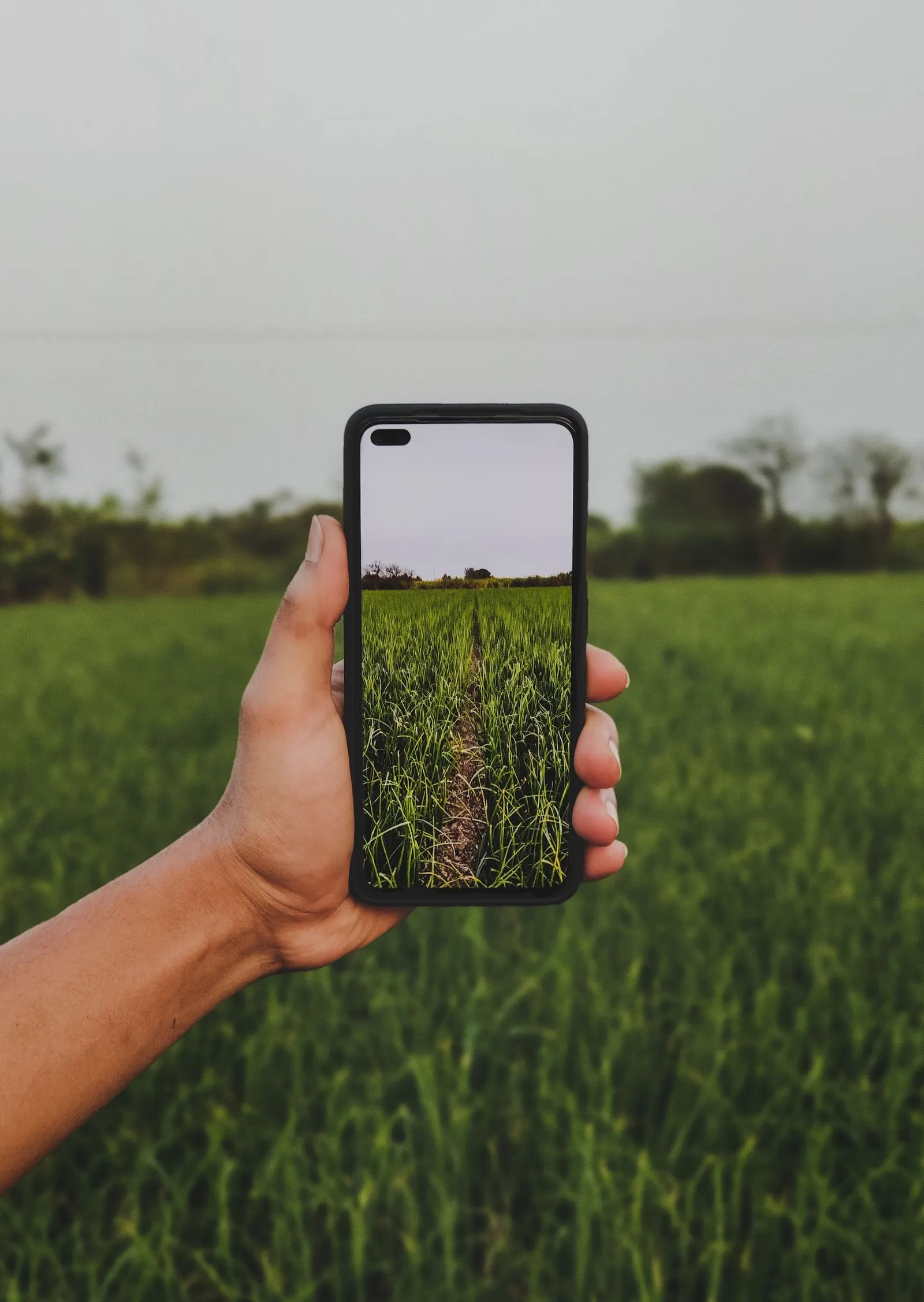
She farms two acres, and from them she feeds her family and a good part of her town. She knows her soil better than any agronomist who has never visited it. But on harvest morning she faces the same three enemies her mother did: a buyer who names the price because she has no other, a road that turns produce to waste before it reaches a market, and a bank that will never lend against a farm with no title and no records. Africa's agriculture problem is not that it grows too little. It is that it loses, underprices, and under-funds what it grows.
Africa's biggest job
Agriculture is the work of the continent. It employs more than 60% of Africa's labour force and contributes around 22% of its GDP — and the overwhelming majority of that output comes from smallholders like her, not from giant estates. No other sector touches as many lives or as much land. And yet the gap between how central farming is and how little it is served by modern finance and markets is the widest of any industry on the continent.
Africa's biggest sector, by the numbers
Agriculture employs the most people and loses the most output — while receiving almost none of the formal credit. The mismatch between importance and support is the whole story.
A third of it never reaches a plate
Start with the waste, because it is staggering. Post-harvest losses across sub-Saharan Africa average around 30% of total production — and rise to 40–70% for fruits and vegetables. Grain that moulds in poor storage; tomatoes that spoil on a hot truck; milk that sours before it's sold. The region loses billions of dollars of food it already grew, every year, for want of storage, cold chains, and a way to match a harvest to a buyer before it perishes. Closing even half that gap would do more for food security than bringing vast new land into production.
The losses are not really about technology that doesn't exist — refrigeration and warehousing are old inventions. They are about coordination: the smallholder can't see who needs her crop, where to store it, or how to move it in time. Visibility, again, is the missing input.
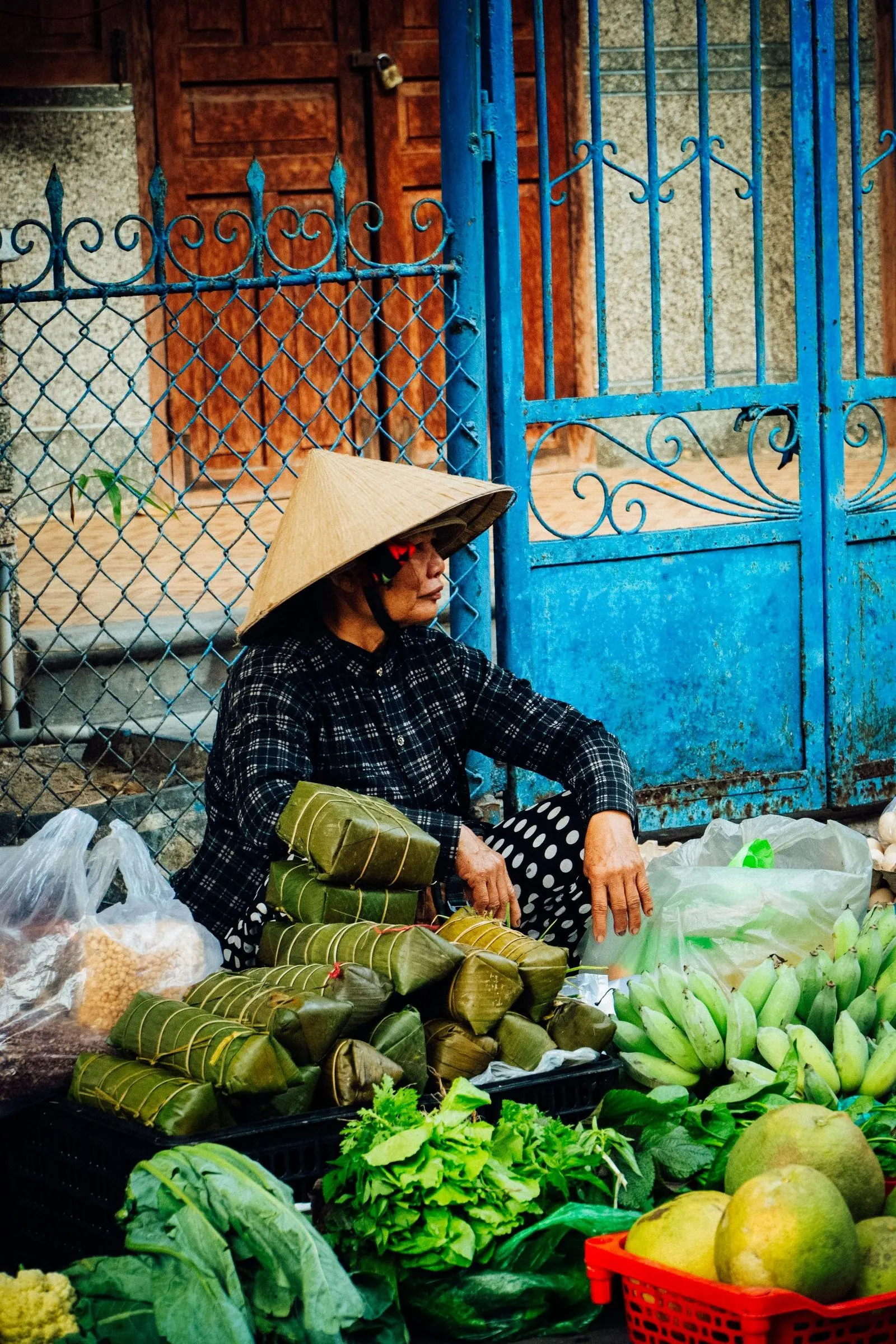
The farm no bank will fund
Then there is capital. Less than 1% of commercial lending in Africa goes to agriculture, and most of that reaches large farms, not smallholders. The reasons rhyme with every other informal sector: she has no registered title to pledge, no transaction record to underwrite, and no formal identity in any lender's system. The result is a farmer who could double her yield with a modest loan for seed, irrigation or storage — and can't get it. The capital exists; the data and the security to deploy it do not.
Imported food, exported opportunity
Put waste and under-investment together and you get the continent's strangest contradiction: Africa, with more uncultivated arable land than anywhere on Earth, is a net importer of food — and its import bill is projected to climb toward $110 billion. Every dollar of that is money leaving the continent to pay a foreign farmer for something an African farmer could have grown, stored and sold. The opportunity isn't abstract; it is the import bill itself, waiting to be turned into income for local producers.
Africa's food-import bill is climbing
A land-rich continent pays more and more to import food it could grow — money that could instead flow to its own farmers. The projection is the cost of doing nothing.
The phone in the field
What makes this solvable now is the same thing that's solving it everywhere else on this list: the smallholder already has a phone, and increasingly accepts mobile money. The missing layer is software built for her — not an English-language app full of forms, but voice in Twi or Hausa, prices she can trust, a buyer she can reach, and a record of her trade that finally makes her bankable. Reach the farmer the way she actually works, and the whole chain — market, price, storage, credit — comes within reach.
Africa won't be fed by bigger farms. It will be fed by connected ones — smallholders with a market, a fair price, somewhere to store the surplus, and a loan, all delivered to the phone already in their hand.
From field to fair price: the toolkit
Lifting the smallholder takes a connected kit — reach a market, get advice and prices in her language, secure her land, stop the spoilage, and automate the coordination. Each piece is built for a feature phone, a local language, and a two-acre budget.
KasaFlow
KasaFlow puts an agronomist, a market board and a record-keeper in the farmer's pocket. She can ask what to plant, check today's prices, log a sale or chase a payment in Twi, Ewe, Dagbani or Hausa and be understood on the call — the answer coming back by voice in a language she also speaks, even when it isn't the one she opened with — all without reading a word of English. It's the interface that finally fits the non-literate, feature-phone majority of farmers.
Learn about KasaFlowNexaGrow
NexaGrow lets cooperatives and agribusinesses build AI agents — no code — for crop advisory, weather and pest alerts, input ordering and the coordination that ties a thousand smallholders into one reliable supply. It turns scattered farms into an organised, investable network.
Learn about NexaGrowThe prize
The numbers point one way. A sector that employs the most people, loses the most output, and receives the least credit is not a problem to be managed — it is the largest pool of trapped value on the continent. Connect the smallholder to a market, a price, storage and a loan, and you don't just cut waste and grow incomes; you turn a $110 billion import bill into African earnings and feed the continent from its own soil. The land and the farmers are already here. The connection is the work.
The takeaways
- Agriculture employs 60%+ of Africans and ~22% of GDP — overwhelmingly smallholders — yet gets under 1% of bank credit.
- Around 30% of the harvest is lost after picking — a coordination and storage failure, not a farming one.
- A land-rich continent imports food worth a bill projected near $110B — opportunity leaving with every shipment.
- The unlock is software built for the farmer: voice, local languages, on a feature phone — connecting her to market, price, storage and credit.
References
- African Development Bank — Smallholder Agriculture in Africa (Working Paper 105). https://www.afdb.org/sites/default/files/documents/publications/working_105_pdf_d.pdf
- World Grain — Africa seeks solutions for post-harvest losses. https://www.world-grain.com/articles/22655-africa-seeks-solutions-for-post-harvest-losses
- Moneda Investment — The African Perspective: Post-Harvest Losses. https://www.moneda.africa/news/the-african-perspective-post-harvest-losses
- Businessday NG — Agriculture's rising role in Africa: boosts GDP, food security, jobs. https://businessday.ng/opinion/article/agricultures-rising-role-in-africa-boosts-gdp-food-security-jobs-curbs-inflation/
- Indepth Research Institute — Post-Harvest Losses in Africa: Challenges, Solutions & the Future of Food Security. https://indepthresearch.org/blog/post-harvest-losses-in-africa-challenges-solutions-the-future-of-food-security/
Work with farmers, cooperatives, or agribusiness?
Producer organisations, agro-processors, lenders, input suppliers — tell us who you serve and we'll map the tools to connect farmers to markets, prices and credit.
Built for Desks, Run from the Field: the workforce that holds Africa up gets almost no software
Eight in ten workers worldwide — and far more in Africa — don't sit at a desk. They read meters, fix towers, deliver parcels, sell airtime, inspect fa…
Read more
The Economy We Bury: Africa throws away a fortune — and can't see the people already mining it
Africa's waste will triple by 2050, yet barely 4% is recycled even though most of it is recoverable — a billion-dollar circular economy left in the gr…
Read more