The Economy We Bury: Africa throws away a fortune — and can't see the people already mining it
Africa's waste will triple by 2050, yet barely 4% is recycled even though most of it is recoverable — a billion-dollar circular economy left in the ground. Millions already pick through it for a living, unseen and underpaid. Make the waste economy visible, and it becomes income, jobs and a cooler planet at once.
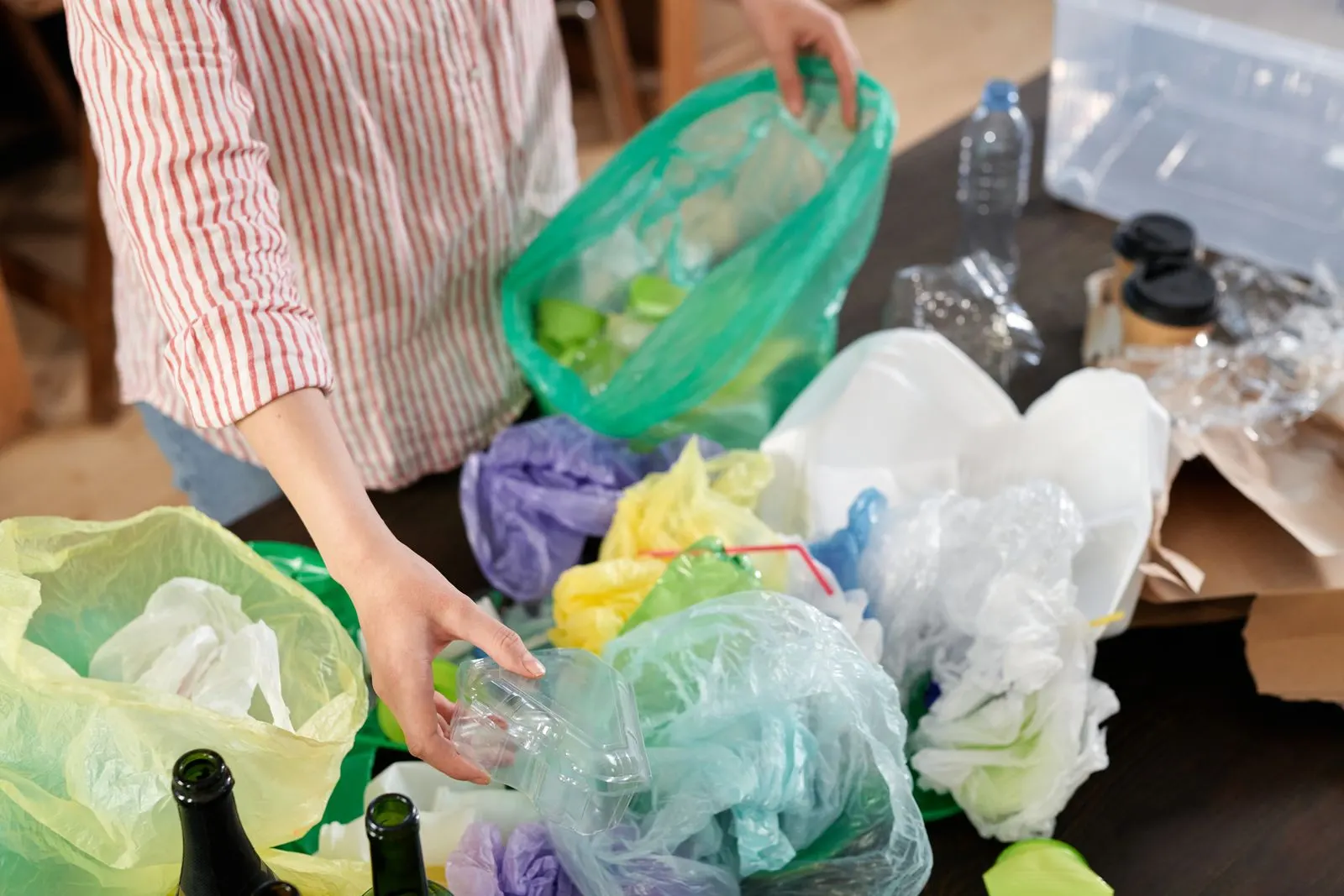
On the edge of every African city there is a place most people never look: a sprawling dump where, among the smoke and the flies, dozens of people move with practised purpose — pulling out plastic bottles, metal, cardboard, anything with worth. They are not scavenging. They are running the only recycling system the city actually has, by hand, for a pittance. All around them is value: an economy's worth of recoverable material, buried because no one can see it, sort it, or connect it to a buyer. Africa's sustainability problem and its biggest untapped economy are the same pile.
A fortune, thrown away
The waste is growing fast. Africa's municipal solid waste is projected to roughly triple by 2050 as cities swell — yet today the continent recycles only about 4% of it, even though 70–80% is recoverable. The rest goes to dumps, drains and rivers: a public-health hazard, a source of greenhouse gases when it burns, and, above all, a staggering waste of value. Every uncollected bottle and unsorted scrap is money the economy threw away and a recycler's wage that was never paid.
Africa's waste is set to triple
As the continent urbanises, its municipal waste climbs steeply — a mounting hazard, or, handled differently, a fast-growing supply of valuable raw material.
The value we bury
Look at what's actually in the pile and the loss becomes absurd. The large majority of African municipal waste — plastics, paper, metal, glass and organics — is recoverable: recyclable, compostable, or sellable as feedstock. Only a sliver is genuinely unusable. The circular economy isn't a future Africa has to build from scratch; it's a value chain that already exists in the ground, waiting to be made visible and connected.
What Africa does with its recyclable waste
Most of the pile could be recovered and sold. The gap between what's recyclable and what's recycled is the circular economy, left buried.
- Recovered & recycled 4%
- Recoverable but lost 71%
- Not recoverable 25%
The people who already do the work
Here is the part the official story misses: the recycling is already happening, done by people no system counts. An estimated 20 million informal waste-pickers worldwide — disproportionately women and the urban poor — are the backbone of recycling across low- and middle-income countries. They divert waste from landfills, keep plastic out of waterways, and feed the recycling chain, all while earning little, working in danger, and receiving almost no recognition or protection. Any honest circular economy doesn't replace them; it makes them visible, safer, and fairly paid — turning survival work into dignified, recorded livelihoods.
informal waste-pickers already power recycling worldwide — diverting waste, cutting emissions, and earning almost nothing for work no system counts. Make it visible and it becomes income.
WIEGO; Circular Economy & Sustainability (2021)Africa's waste isn't a problem to bury — it's an economy to surface. Make the material, the collectors and the buyers visible to one another, and a hazard becomes income, jobs and a cooler planet at once.
From waste to worth: the toolkit
Turning the buried economy into a real one takes a connected kit — value the waste, instrument the network, coordinate the system, aggregate the materials, and close the organic loop. Each piece makes a hidden value chain visible and bankable.
NexaGrow
NexaGrow builds AI agents — no code — to match supply to demand, schedule collections, chase materials and handle the coordination that a circular economy lives or dies on, so producers, recyclers and collectors act as one network instead of disconnected parts.
Learn about NexaGrowThe prize
Three good things hide in the same pile. There is money — a billion-dollar circular economy in materials thrown away each year. There are jobs — dignified, recorded livelihoods for the millions already doing the work and many more besides. And there is the climate — less methane from dumps, less plastic in rivers, less carbon than making everything new. Most development choices force a trade-off between growth, jobs and the environment; the circular economy is the rare case where all three point the same way. Make the waste economy visible, and Africa stops burying its fortune and starts banking it. That is the prize.
The takeaways
- Africa's waste will triple by 2050, yet only ~4% is recycled though most is recoverable — a billion-dollar economy left in the ground.
- The recycling is already happening — ~20 million informal waste-pickers power it, unseen, unsafe and underpaid.
- A real circular economy makes them visible, safer and fairly paid — turning survival work into recorded livelihoods.
- It's the rare win-win-win: money, green jobs and lower emissions all from making the waste economy visible and connected.
References
- World Economic Forum — Why the circular economy is a billion-dollar opportunity for Africa (2021). https://www.weforum.org/stories/2021/04/the-circular-economy-is-a-billion-dollar-opportunity-for-africa-here-s-why/
- World Bank — What a Waste 2.0: A Global Snapshot of Solid Waste Management to 2050. https://datatopics.worldbank.org/what-a-waste/
- AUDA-NEPAD — What A Waste: Innovations in Africa's Waste Material Management (2022). https://www.nepad.org/blog/what-waste-innovations-africas-waste-material-management
- Circular Economy and Sustainability (Springer) — Waste Pickers in the Recycled Plastics Supply Chain (2021). https://link.springer.com/article/10.1007/s43615-021-00056-7
Run a recycler, a municipality, or a producer with EPR goals?
Recyclers, municipalities, FMCG producers and waste cooperatives — tell us your goals and we'll map the tools to turn waste into recorded value, income and measurable impact.

Grown, Then Lost: why the continent that farms the most still imports its food
Agriculture employs six in ten Africans — yet a third of the harvest rots before it reaches a buyer, under 1% of bank lending reaches a farm, and Afri…
Read more
The Invisible City: why Africa's urban future will be won or lost on data
By 2050, two in three Africans will live in cities expanding faster than any in history — yet most land is undocumented, half the waste goes uncollect…
Read more