The Tax on Everything: why Africa can't trade with itself — and the software that clears the way
Africa does just 15% of its trade with itself — against 59% in Asia and 68% in Europe — not for lack of goods, but for friction: 126-hour border waits, logistics costs double the global average, and paperwork that can add 75% to a product's price. The market is open. The friction is the barrier.
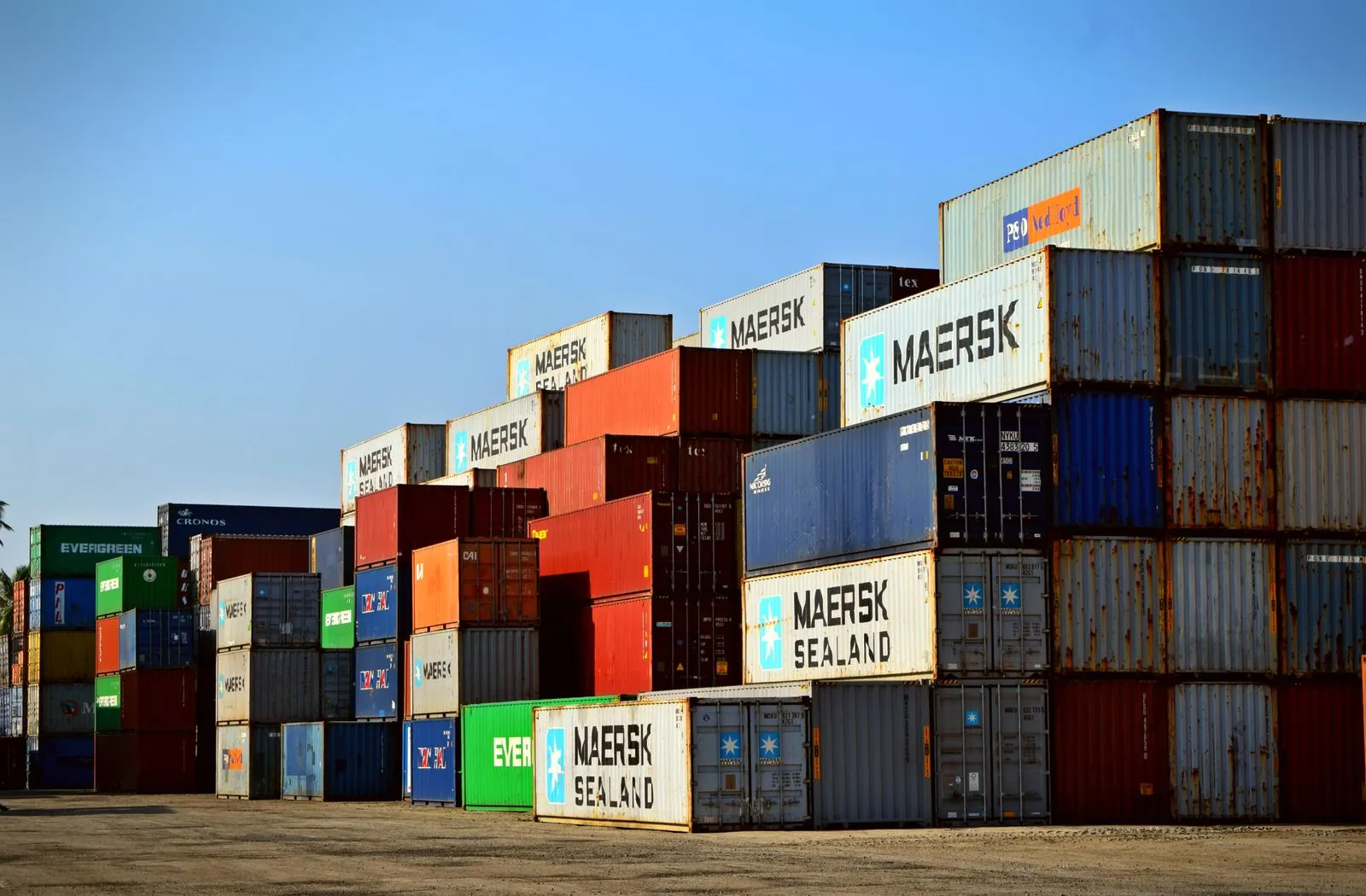
A truck loaded with goods sits at an African border, engine off, for the better part of a week. The driver waits. The cargo ages. Somewhere a buyer two countries away wonders where his order is, and a customs officer works through a stack of paper forms by hand. Multiply that scene across thousands of crossings a day and you have the real reason a continent of 1.3 billion people barely trades with itself: not closed markets, but the friction in between.
A continent that doesn't trade with itself
The headline gap is stark. Only about 15% of African trade is with other African countries — against roughly 59% within Asia and 68% within Europe. The African Continental Free Trade Area opened a single market of 1.3 billion people precisely to change this, and intra-African trade has crept up to around $220 billion. But the tariffs were never the main barrier. The barrier is everything that happens between a willing seller and a willing buyer: the border, the paperwork, the cost and the time of actually moving the goods.
Africa barely trades with itself
Intra-regional trade is the engine of every other major bloc — and the one thing Africa does least. The goods and the demand exist; the friction is what's missing a market.
Friction is the tax on everything
Friction doesn't just slow trade; it taxes it. Logistics costs in Africa run at roughly twice the global average and can add as much as 75% to the price of goods traded within the continent. On some corridors a single container costs $3,500–$7,000 to move and takes anywhere from 8 to 30 days, much of it spent waiting at borders rather than travelling. Every hour of delay and every redundant form is a cost passed to the buyer — making African goods less competitive than imports from across the world, inside Africa's own markets.
The average time a shipment spends stuck in customs at an African border — over five days per crossing, before the goods have travelled an inch further.
GIS Reports, 2024Drowning in paper
At the heart of the friction is documentation. A single cross-border shipment can require dozens of separate forms, permits and certificates, submitted to multiple agencies, mostly on paper, often in person, with no shared view between the trader, the broker, the carrier and the customs office. A small exporter without a dedicated logistics team simply cannot navigate it — so she sells only at home, or hands most of her margin to an intermediary who can. The paperwork isn't a detail of African trade. It is the barrier.
Make the paperwork disappear
None of this requires new roads or ports to fix first. The fastest, cheapest win is to digitise the documentation and coordination — one shared, intelligent view that prepares the forms, talks to the agencies, tracks the cargo and flags problems before the truck reaches the border. Clear the paper, and the same roads and ports suddenly move far more goods. Software is the cheapest infrastructure Africa can build.

Africa doesn't need to wait for new ports and highways to trade with itself. The first and cheapest fix is software — clearing the paperwork and the coordination that turn a five-day border into a five-minute one.
Clearing the way: the toolkit
Cutting the friction takes a connected kit — remove the cross-border paperwork, automate the coordination, see the goods end to end, secure the payments, and reach drivers and agents in their language. Here's the fit.
NexaGrow
NexaGrow lets freight forwarders, brokers and traders build AI agents — no code — to chase documents, update parties, pre-clear shipments and resolve the exceptions that otherwise mean a truck waits at a border. It replaces the frantic phone-and-paper coordination with automation a lean team can run at scale.
Learn about NexaGrowKasaFlow
KasaFlow connects the people who actually move the cargo — drivers, clearing agents, warehouse staff — by voice, in the languages they speak, for status updates, instructions and exception alerts. It closes the communication gaps along a corridor that paper and English-only apps leave wide open.
Learn about KasaFlowThe prize
If Africa traded with itself at even half the rate Asia does, it would add hundreds of billions of dollars and millions of jobs to the continent — building African industry on African demand rather than exporting raw materials and importing finished goods. The market is already open; the roads and ports, while imperfect, already exist. What stands in the way is friction made of paper and delay — and friction made of software is friction software can remove. Clear the way, and the continent finally trades like one. That is the prize worth clearing for.
The takeaways
- Africa does only ~15% of its trade with itself, against 59% in Asia and 68% in Europe — the demand exists; the friction is the barrier.
- That friction is a tax: 126-hour border waits, logistics costs ~2× global, and up to +75% added to the price of intra-African goods.
- The core problem is paperwork and coordination, not just roads — and that's the cheapest, fastest thing to fix.
- Digitising the documents, coordination, visibility and payments lets Africa's existing roads and ports carry far more trade — software as infrastructure.
References
- Brookings — Reaping the benefits of the AfCFTA: Strengthening transport services and infrastructure. https://www.brookings.edu/articles/reaping-the-benefits-of-the-afcfta-strengthening-transport-services-and-infrastructure-for-growth/
- GIS Reports — Barriers to African trade the AfCFTA should address. https://www.gisreportsonline.com/r/africa-trade-afcfta-transport/
- Brickstone Africa — AfCFTA's Potential Solutions in Solving Africa's Logistics Challenges. https://brickstone.africa/afcftas-potential-solutions-in-solving-africas-logistics-challenges/
- Businessday NG — AfCFTA: Why logistics will determine Africa's trade competitiveness. https://businessday.ng/opinion/article/afcfta-why-logistics-will-determine-africas-trade-competitiveness/
- The High Street Journal — Why Intra-African Trade Still Faces Border Bottlenecks Despite AfCFTA. https://thehighstreetjournal.com/why-intra-african-trade-still-faces-border-bottlenecks-despite-afcfta/
Move goods across Africa — or want to?
Traders, freight forwarders, customs brokers, manufacturers, marketplaces — tell us your routes and we'll map the tools to cut the paperwork, the delays and the cost.
Make It Here: why Africa imports what it could build — and the software that changes the maths
Africa makes barely 13% of its GDP and imports the finished goods it could produce, even as a $3.4 trillion single market opens next door. The constra…
Read moreBuilt for Desks, Run from the Field: the workforce that holds Africa up gets almost no software
Eight in ten workers worldwide — and far more in Africa — don't sit at a desk. They read meters, fix towers, deliver parcels, sell airtime, inspect fa…
Read more